
What We Do
JARI works at the intersection of people, ocean, and knowledge in the Alas Strait. Together with coastal communities, we restore ecosystems, strengthen livelihoods, and build a new generation of ocean stewards.
Our work is not just about conservation, it is about creating lasting change led by the people who depend on the sea.
Working in the Alas Strait
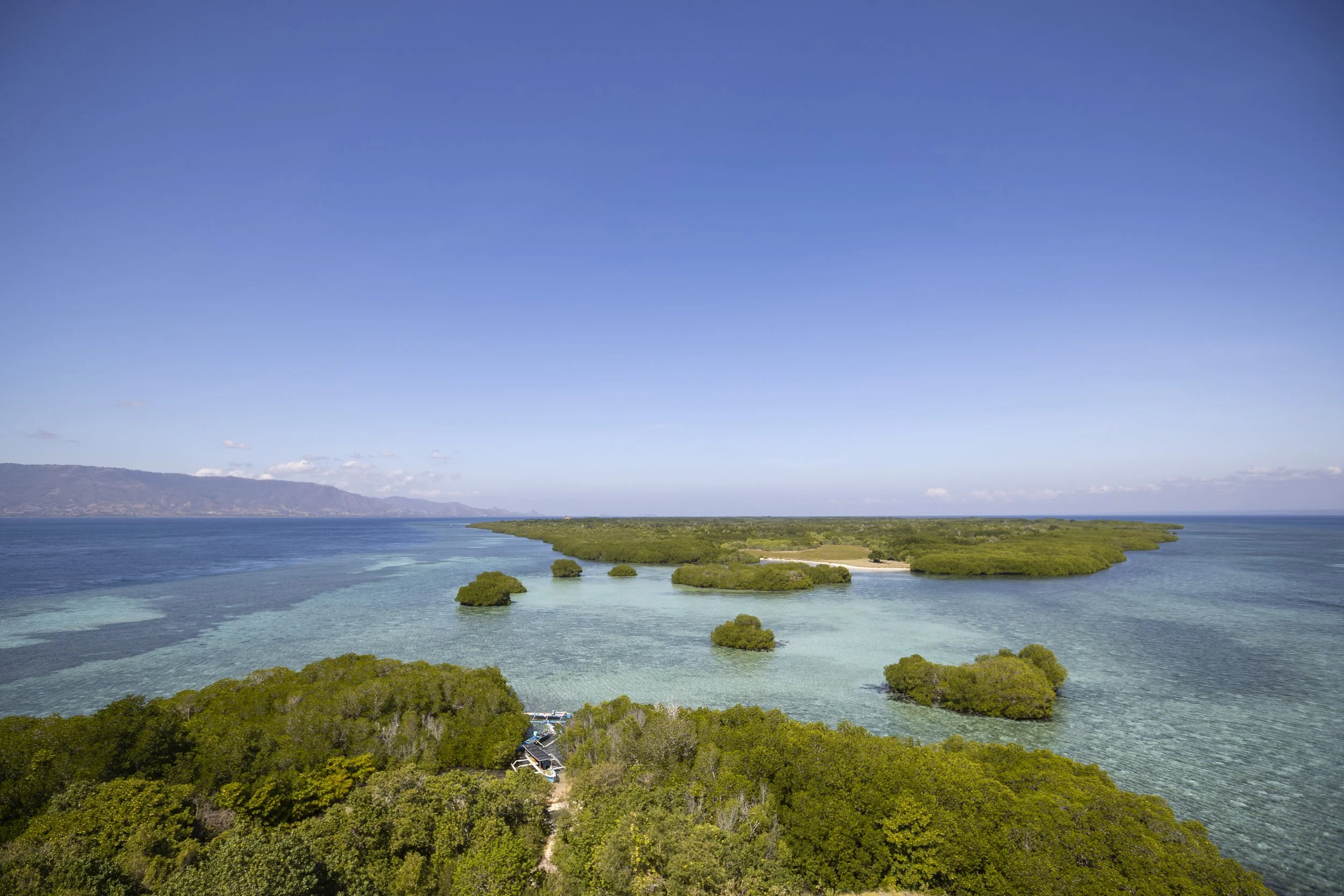
The Alas Strait is a rich but fragile seascape, home to coral reefs, seagrass, mangroves, and small island communities. Today, it faces growing pressures from overfishing, unmanaged tourism, and environmental change, which are compounded by limited data availability and fragmented marine governance.
Our Approach
We work alongside communities as partners, not beneficiaries. By combining local knowledge, science, and collective action, we support communities to strengthen access rights, lead conservation, manage their resources, and shape their own future.
Where communities lead, the ocean thrives
Our Theory of Change
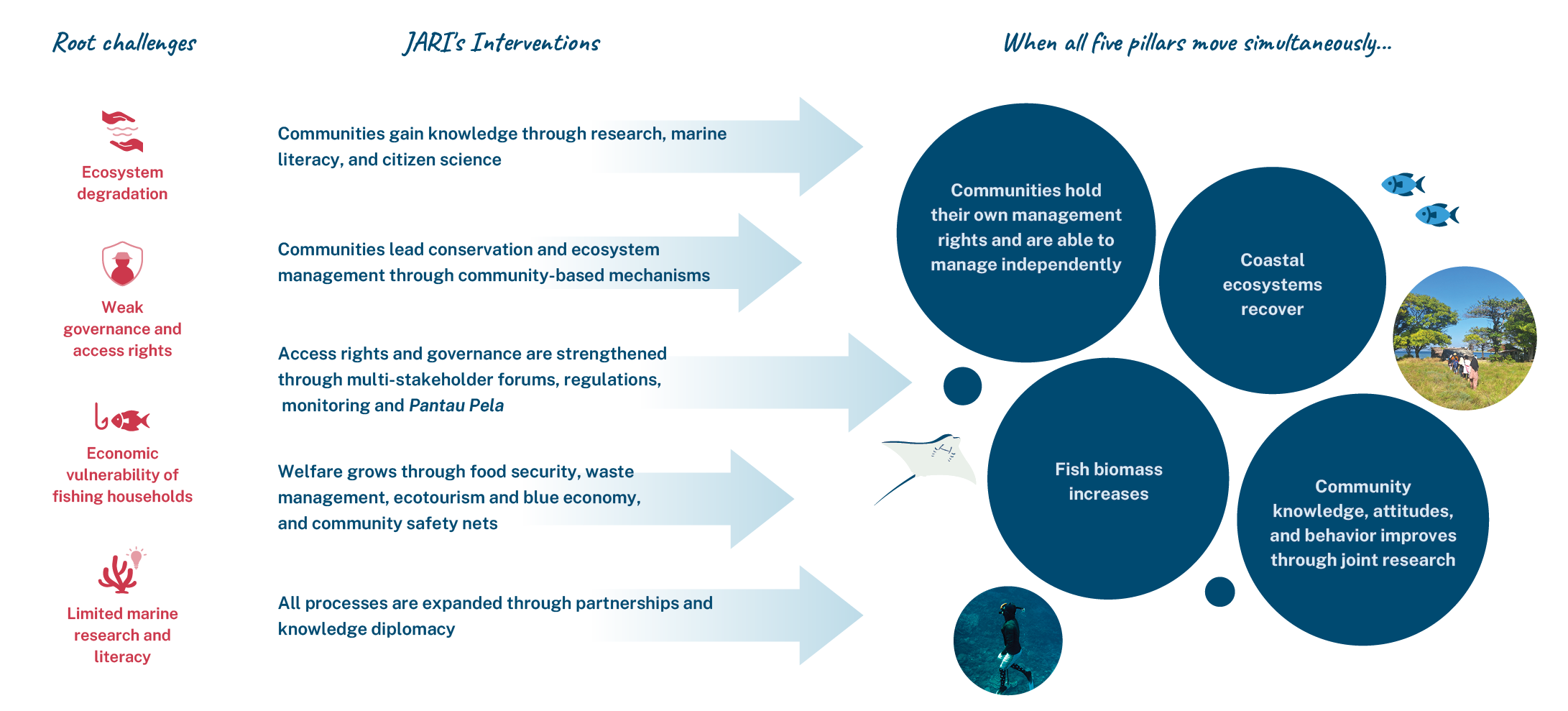
JARI's Theory of Change flows from root challenges towards five intervention pillars that operate along a single pathway.
Strategic pillars
-
We generate knowledge that communities can use. Through research, citizen science, and ocean education, we turn data into action, helping communities understand, monitor, and manage their marine ecosystems.
We work with schools, youth, and fishers to build ocean literacy that connects science with everyday life.
-
We support communities to protect and restore their ecosystems, from coral reefs to seagrass meadows. Conservation is led locally, through shared rules, monitoring, and collective responsibility.
From temporary closures to long-term management, communities are taking ownership of their seas.
-
We build bridges between communities, government, and partners to strengthen marine governance and community rights.
-
We strengthen coastal livelihoods through sustainable fisheries, women-led enterprises, and community-based ecotourism.
By linking conservation with income, communities can protect the ocean while improving their well-being.
-
Through dialogue, collaboration, and advocacy, we ensure that local voices shape decisions about the ocean.
Highlighted Initiatives
JARI’s impact is driven by communities who take action and learn together, through initiatives that strengthen community knowledge, rights, capacity, and leadership.
-
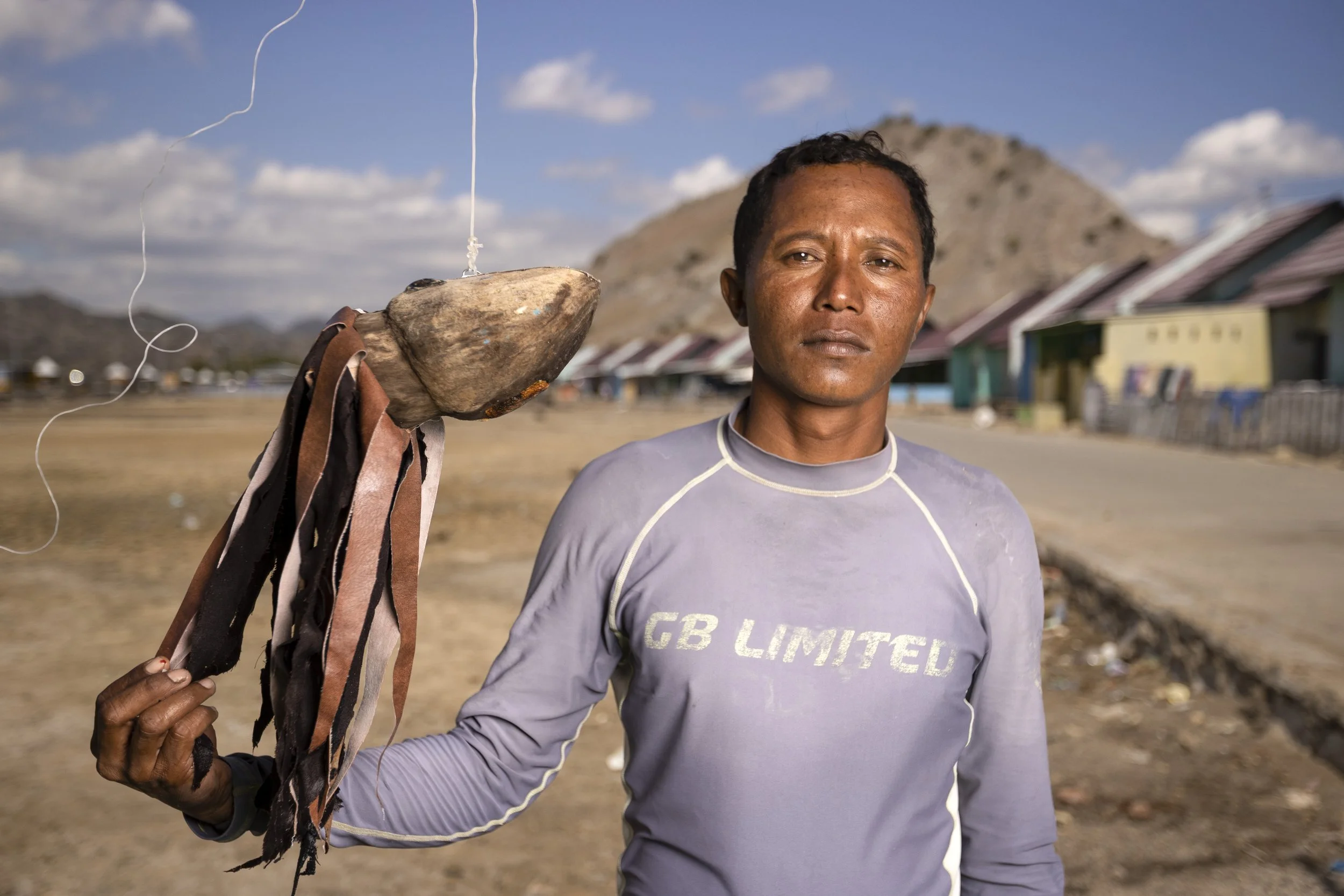
Octopus Fisheries Management
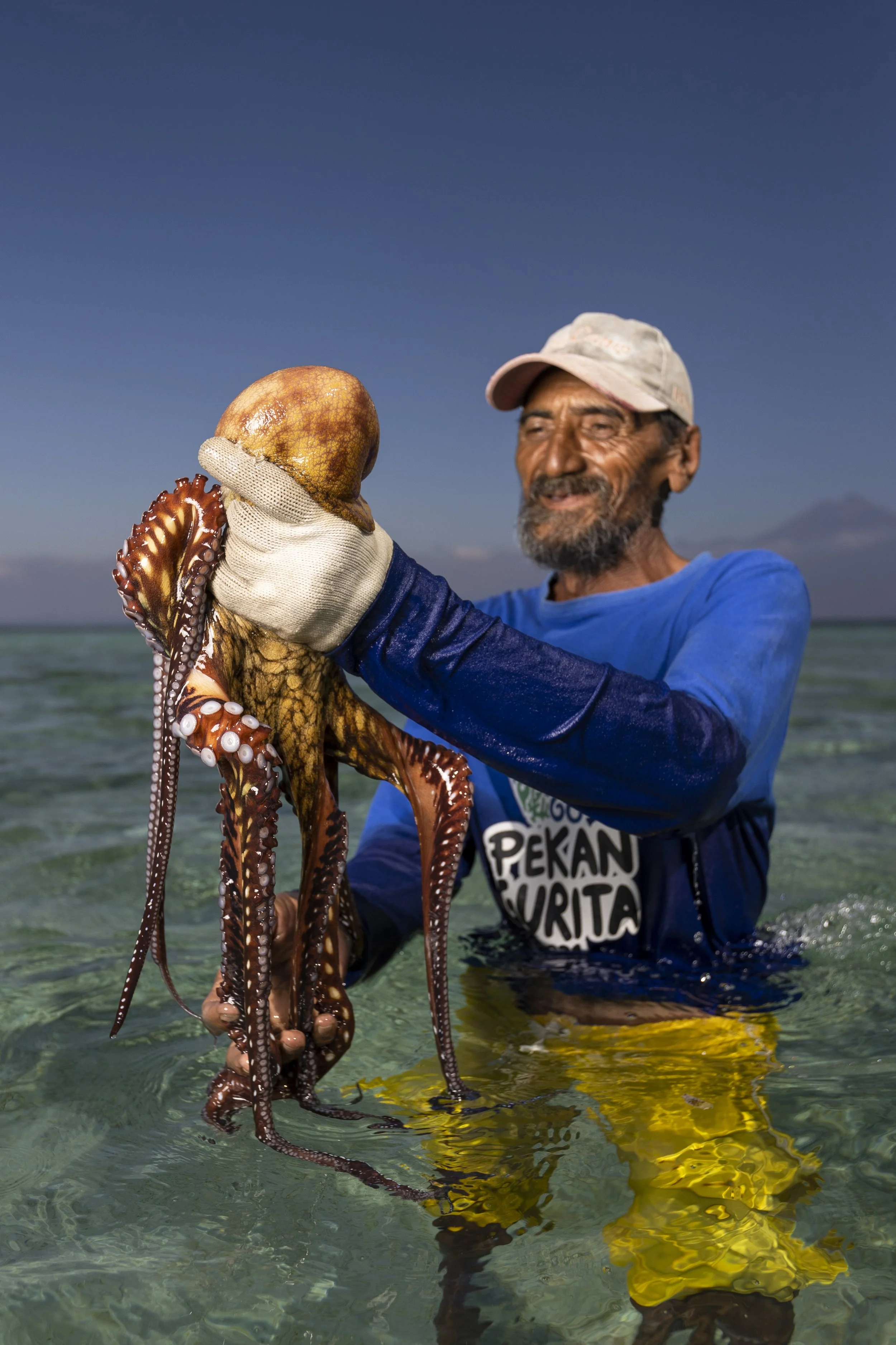
A community-led system of temporary closures that has evolved into long-term management, improving both fish stocks and community awareness.
-
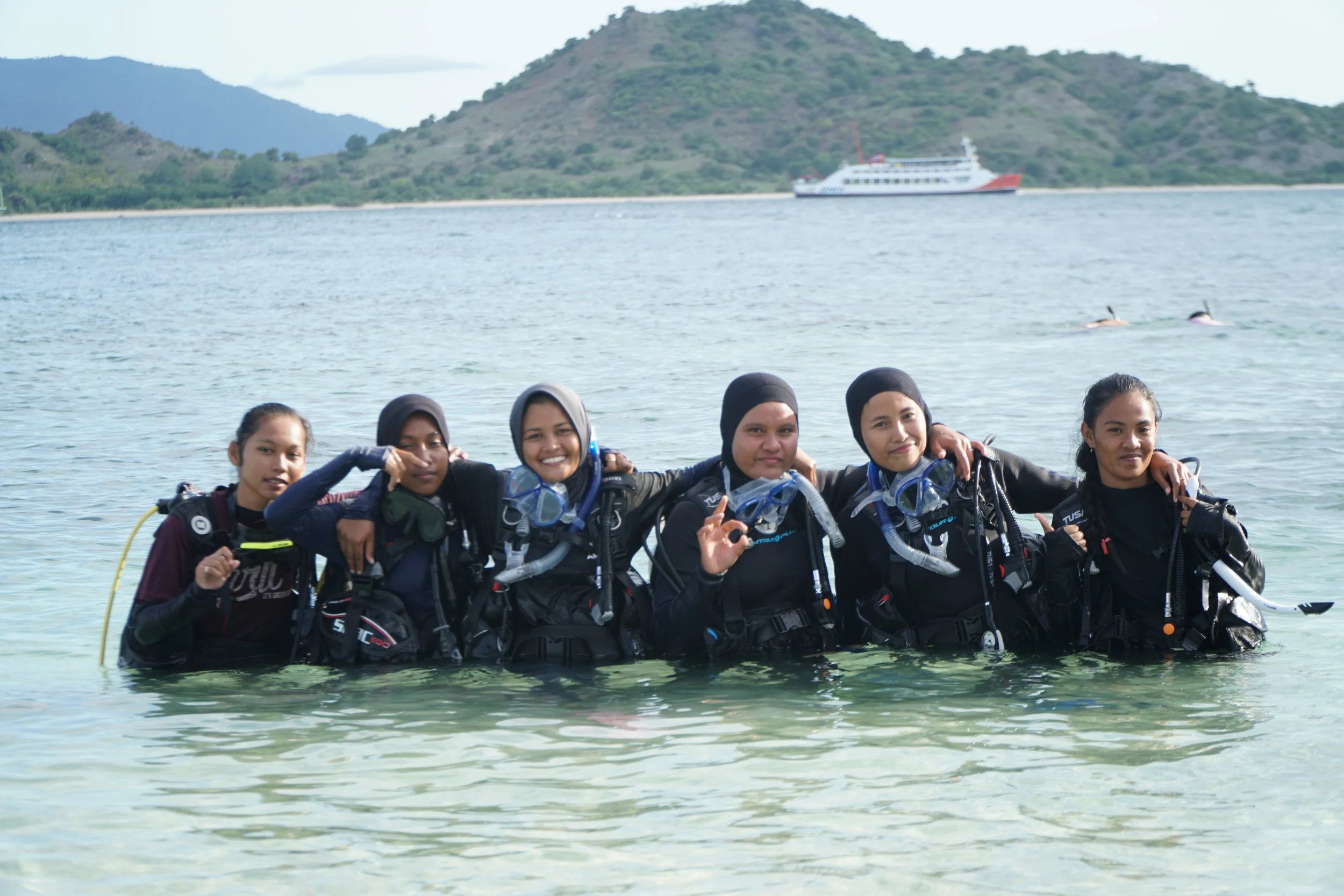
Women for Marine Conservation
A growing movement of coastal women leading ocean literacy, data collection, and livelihood initiatives, working alongside men as equal stewards.
-
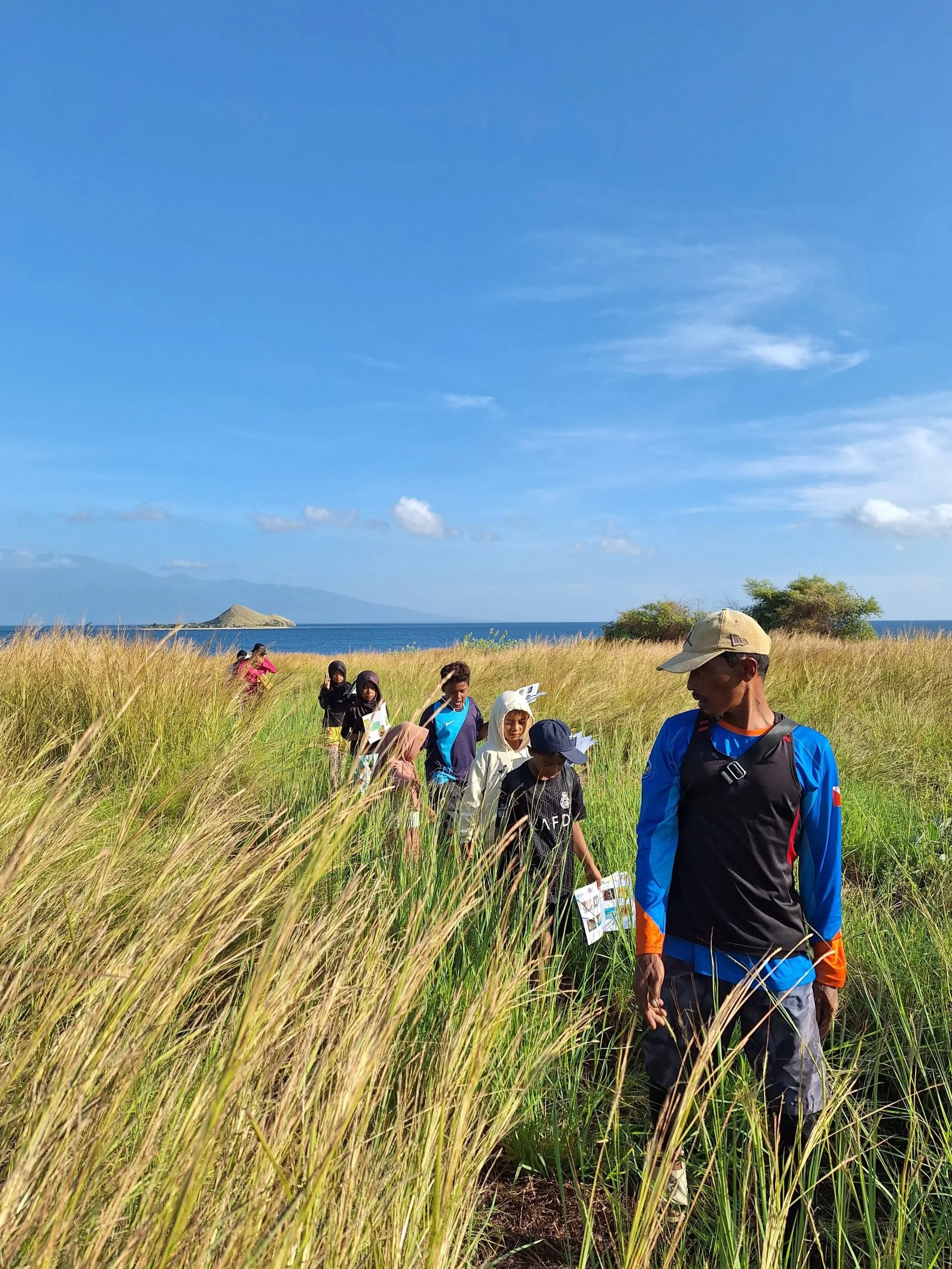
Jelajah Lestari (Community Ecotourism)
An experience-based approach connecting visitors, students, and communities through learning, culture, and conservation.
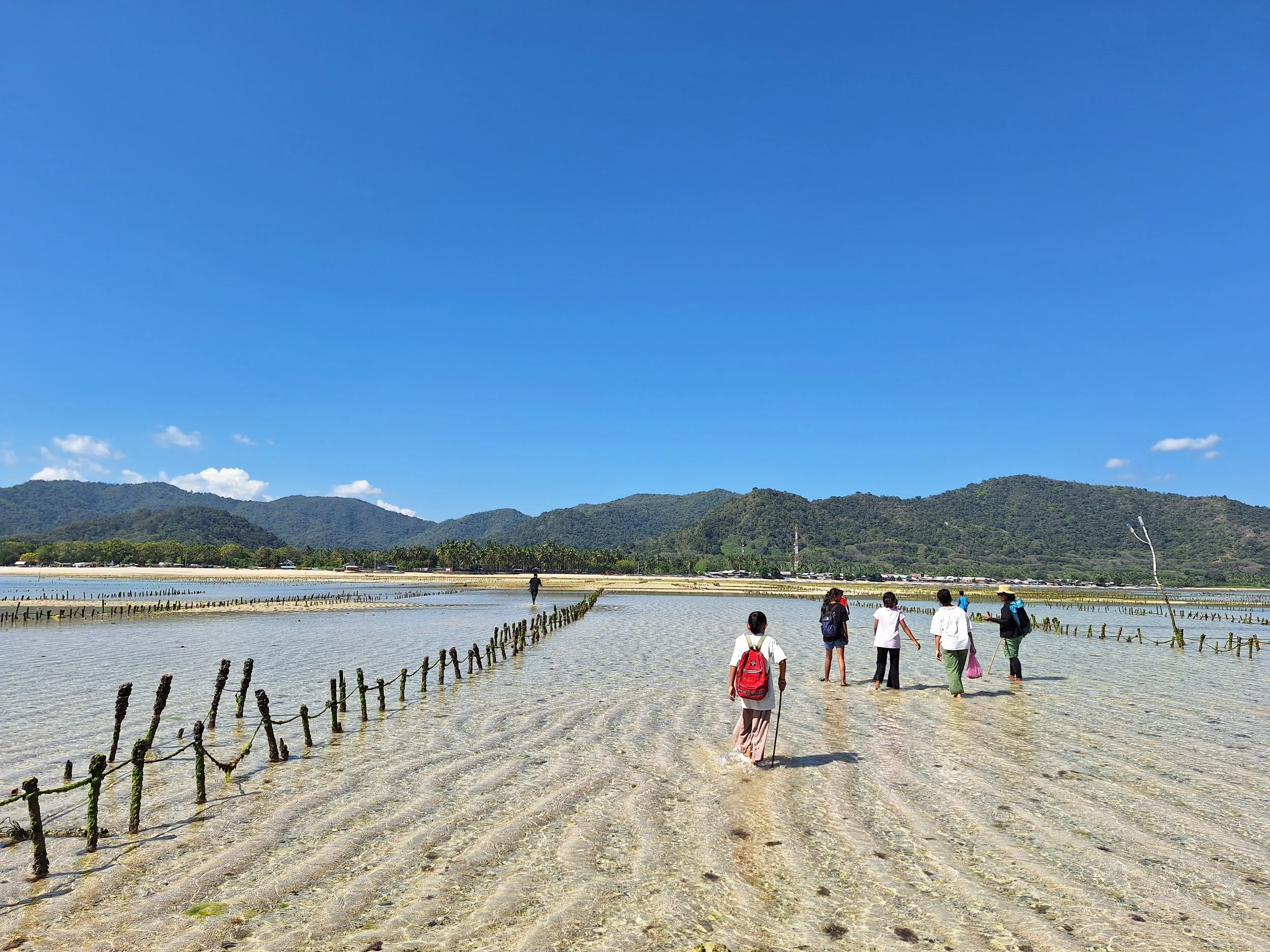
“The Gili is no longer far, I’ve learned what lives beneath it.”
— Student participating in ocean literacy